
The video starts with empty parking garage, empty football field. A girl with white hair stand facing the empty field. It cuts to Beyonce lying on a football field, white dress, frizzy wild hair with bleached ends, looking down. The dialogue begins and the shot is black and white, she is walking down the parking in what looks like a wedding dress, talking about how “he” bathes her until she forgets “their” names and faces. Jump cuts to her in a gym boxing, and then to a dark scene with a woman walking on a terrace. The word “reformation” comes on the screen, and it looks like an old-timey shot — the long skirt, b&w shot, etc. It cuts back to Beyonce who is lying in bed with a bonnet in her hair. After a few more shots back and forth, the scene becomes coloured again. We look at trees from under, see their flowers dangling. The sea is shown, women walk in a line, the water upto their ankles. They wear sheer garments — white-pink dresses, half soaked, and their legs can be seen through this covering. The water moves as they walk. They are all black women, with Beyonce at the head of the line. They all have braids and some sort of black or associated hairstyle, such as dreadlocks. You can see Beyonce in a shot, her gaze unfocused with the sun shining behind her. The women wear white with black stripes in the middle, and act like a group. They hold hands as they face the sea, all in a line. It soon cuts to Beyonce on a chair that is lying down, on a sort of platform. It looks like she is sitting on the chair, but the chair and her are lying with their backs on the floor. Flowers surround this platform. “You and me could calm a war down” plays at the back.


I write about this scene because before this class, I did not realise how much history was behind it. It was shot in Igbo, where the Igbo Landing of 1803 occurred. This was a scene of mass suicides to resist enslavement. At least 10 Igbo died, which was highlighted int he music video by showing the 10 women walking next to the shoreline. A scene at the end of the video showed Beyonce dressed as an Igbo woman, which was a direct reach into history to bring it to life. Her music video brought this oral history into mainstream attention. The water, specifically the water spirit, plays an important role in Igbo beliefs and cultures, and has been highlighted in the video.
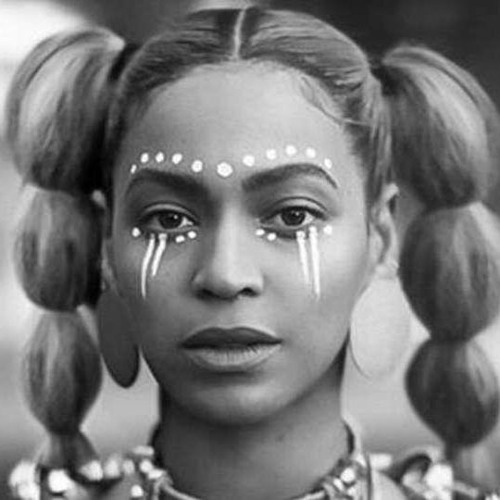
As someone who doesn’t have this knowledge or history, I think it is a really big step to show it on such a big platform. That being said, I wish I had more information about this event, that I don’t think was given through the piece of media. Most news channels interpreted it form a music lens, and it was mostly the comments on the Youtube video that informed people of this history. I can see the message being exponentially more impactful had there been more information given at the end, instead of being left to interpretation. However, it is still a huge step for it to be displayed on such a platform, and I would be curious to learn more about it.
I do want to acknowledge my positionality in this — I am not black nor do I know as much about Black history as I would like to. This interpretation came from some research into the topic, but if anyone has more knowledge, please reach out or comment on this post because I would love to hear from you.
One reply on “Beyonce’s Love Drought and Igbo History”
The emphasis on the Igbo Landing of 1803 in the Love Drought music video reminds me of McMillan’s argument that “time (like avatars themselves) recurs, reverberates, and exceeds artificial distinctions between the past and the present. Time is polytemporal; what has come before is not contained in the past, but is continually erupting.” Through Beyoncé’s transmutation of time (blending images of the present like the parking garage with images of the past), she creates an avatar that distorts the boundaries of what it means to be a black woman, highlighting the agency of black women in the past and breaking the present illusion that black women are free of oppression.