
In 2026, professional women’s baseball will return to the United States for the first time since the World War II–era All-American Girls Professional Baseball League (AAGPBL). The Women’s Professional Baseball League (WPBL) is more than a nostalgic revival—it marks a pivotal cultural moment to rethink who belongs in sports, how identities are expressed, and what true visibility means.

For decades, women’s baseball was erased or sidelined. The 1992 film A League of Their Own gave us a beloved but simplified story, largely overlooking the complex intersections of race, gender, and sexuality. The recent Amazon Prime reboot pushes beyond nostalgia, centering queer and BIPOC experiences that have long been excluded from baseball’s history. While characters like Max Chapman—a Black, gender-nonconforming, lesbian pitcher—and their transmasculine Uncle Bert remain supporting figures, their stories bring crucial visibility to the layered identities navigating the sport.
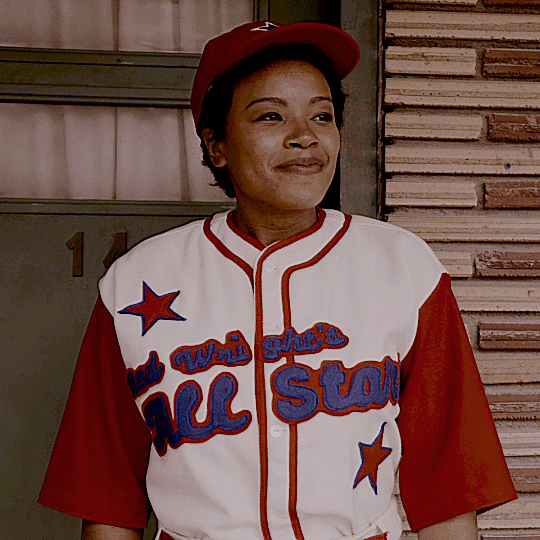
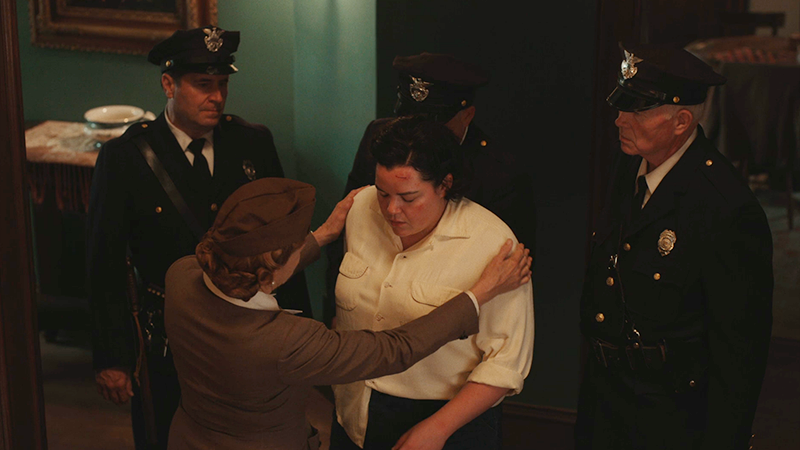
The show also honors the Negro Leagues, weaving Black baseball history into the narrative and underscoring that baseball’s story is inseparable from America’s ongoing racial realities. It doesn’t shy away from systemic oppression, depicting police brutality during a raid on an underground speakeasy and contrasting it with a Black queer house party held out by the train tracks—in a neighborhood neglected by law enforcement—reminding us that sports exist within broader social struggles.
A recurring motif is the players’ fraught relationship with gender norms and appearance. Players are fined for wearing pants in public and trade creative methods—like using ration cards to buy boxer briefs under the guise of purchasing for a brother—as small acts of rebellion against rigid expectations. This tension extends to the AAGPBL’s strict emphasis on femininity: the league made significant investments to ensure players appeared stereotypically feminine, enforcing rules on makeup, hairstyles, and playing in skirts. The show includes candid reflections from players grappling with these contradictions—athletes forced to perform toughness on the field while conforming to delicate societal ideals of femininity.

The series also honors quieter legacies, like Maybelle Blair, an AAGPBL player who courageously came out as a lesbian at age 95. Blair’s story highlights the historic invisibility of queer athletes and challenges us to acknowledge those who paved the way without recognition.
In stark contrast, men’s professional baseball has seen only three openly queer MLB players—and all came out post-retirement. The WPBL’s launch offers a bold alternative: a league where queer athletes are not exceptions but woven into the fabric from the start.
To grasp the WPBL’s transformative potential, it helps to think in terms of assemblage—the way race, gender, sexuality, history, culture, and social forces dynamically intertwine. Women’s baseball is shaped by this complex interplay: gendered uniforms, coded queer communities, racial exclusion, and ongoing struggles for visibility. The WPBL can create a space where queer, trans, nonbinary, disabled, and BIPOC athletes’ identities are not sidelined but central to the league’s identity.
This vision aligns powerfully with José Esteban Muñoz’s concept of queerness as utopia—a future-oriented horizon that doesn’t yet exist but offers hope and possibility. Queerness here is not about present perfection but about moving toward a world where all forms of gender and identity coexist without conflict or erasure. The WPBL doesn’t have to be flawless at the start, but it can be a vital step toward a future where athleticism and gender expression are celebrated together.